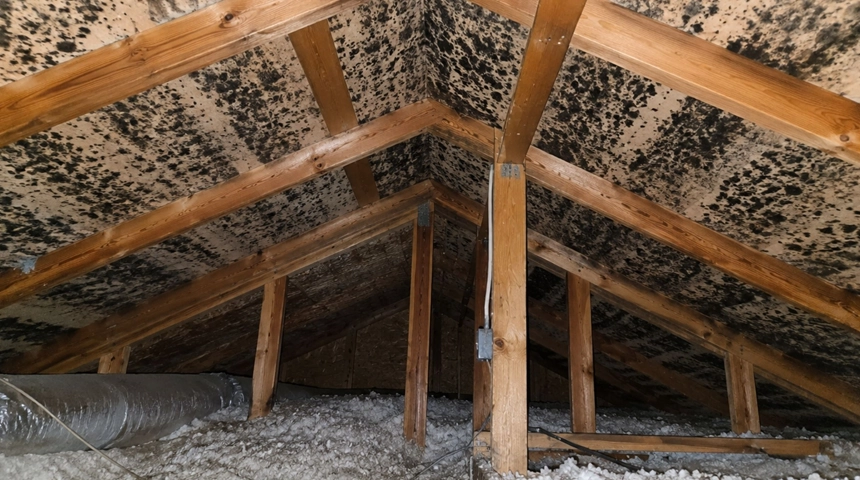
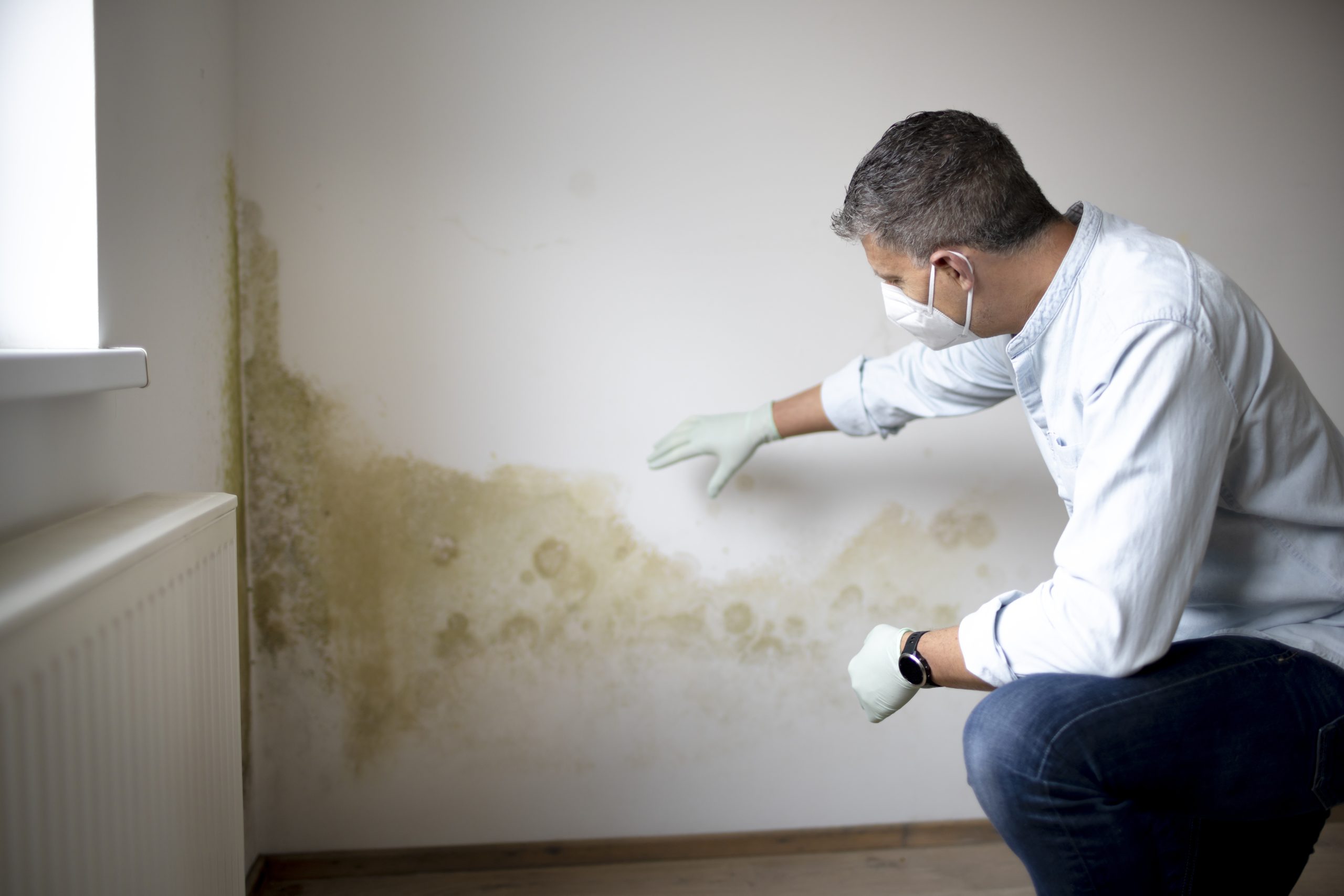
Mould creeps in quietly. It marks corners, carries a musty smell, and unsettles daily life. Yet, with steady habits and a few clear steps, your home can stay dry, clean, and comfortable. This article keeps things simple, clear, and doable. Every tip fits real life, and each step supports the next, so progress builds day by day.
Understand What Fuels Mould
Mould needs three things: moisture, still air, and food sources like dust, soap film, and cellulose. Therefore, the plan is simple. Lower the moisture, keep air moving, and clean away growth spots. As a result, surfaces stay drier, and spores lose their foothold. Aim for indoor humidity around 40–55%. This single target already cuts the risk in bathrooms, kitchens, and basements.
Fix Leaks Without Delay
Even slow drips feed mould growth. Pipes, seals, and gutters often hide the source, so a simple checklist helps.
- Check under sinks for damp edges and swollen wood.
- Look around the bath and shower seals for gaps.
- Inspect ceilings below bathrooms for faint stains.
- Clear gutters and downspouts so rain moves away from walls.
- Make sure exterior grading sends water away from the foundation.
Every repair prevents future stains, soft spots, and musty odours. Moreover, it protects flooring, paint, and stored items as well.
Keep Air Moving
Airflow dries surfaces. Therefore, create gentle, steady movement.
- Leave space between furniture and cold exterior walls.
- Open internal doors for a short time each day.
- Keep trickle vents open, and dust them often.
- Use ceiling or pedestal fans on low settings to avoid still pockets.
Even modest movement helps. Corners that once stayed damp begin to dry, and condensation fades.
Balance Heat and Insulation
Warm air holds more moisture, yet temperature swings lead to condensation. So, aim for steady warmth, not sharp bursts.
- Maintain a consistent indoor temperature during cool months.
- Insulate cold pipes to stop surface moisture.
- Improve loft and wall insulation where practical.
- Seal draughts on window frames while still allowing planned ventilation through vents.
This steady approach reduces cold surfaces and keeps water in the air long enough for fans or vents to carry it outside.
Adopt Daily Bathroom Habits
Bathrooms face steam every day. Simple habits, done often, make the difference.
- Run the fan during showers and for at least 15–20 minutes after.
- Squeegee tiles and screens to remove water before it dries into film.
- Wipe corners near the bath and the lower part of the shower walls.
- Hang towels to dry fully, and swap them out often.
- Keep toiletries on racks so air reaches the tile surface.
These steps stop soap film and moisture from feeding mould. In turn, grout stays brighter, and sealant lasts longer.
Set Kitchen Routines That Reduce Steam
Kitchens produce steam and cooking residue. Therefore, use consistent habits that limit both.
- Switch on the extractor before the heat reaches the pan.
- Keep a lid on simmering pots.
- Wipe backsplashes and the wall behind the bin at the end of the day.
- Clean the sink strainer, and dry the rim around the basin.
- Empty the bin often to prevent growth on food scraps.
Daily care here prevents the build-up that fuels mould in nearby corners and cupboards.
Handle Laundry the Dry Way
Wet fabric holds moisture for hours. So, treat laundry as a moisture project.
- Dry clothes outside when possible.
- If drying indoors, choose a heated rack or well-ventilated room with the door closed and the fan on.
- Avoid draping wet items on radiators in small rooms.
- Empty the washer promptly, and keep the door ajar after use.
These steps keep humidity from spiking and protect nearby walls and window frames.
Tackle High-Risk Zones
Some areas need extra attention because of constant damp or low light.
- Basements and cellars: Keep items off the floor, store in sealed bins, and run a dehumidifier during wet months.
- Lofts: Ensure roof vents are clear, and check for damp insulation under the eaves.
- Window frames: Wipe condensation daily, and clean frames and tracks so water drains.
- Cupboards on exterior walls: Leave a small gap behind shelves and avoid packing items tightly.
Focused care in these zones prevents small patches from spreading into larger problems.
Choose Materials That Resist Growth
Materials matter. As you maintain and refresh, small upgrades reduce future risk.
- Use paint with mould-resisting additives in bathrooms and kitchens.
- Pick silicone sealants labelled for wet areas.
- Fit moisture-safe trims around baths and sinks.
- Consider washable wall finishes where splashes occur.
These choices simplify cleaning and cut down on places where spores take hold.
Monitor and Respond Early
A small hygrometer gives real-time feedback. Place one in a damp-prone room and check it along with your morning routine. If humidity rises, open a window for a short burst, run the fan, or switch on a dehumidifier. Meanwhile, watch for new stains, soft patches, or musty smells. Early action keeps repairs minor and costs lower. In short, the sooner the response, the easier the fix.
Build a Simple Seasonal Checklist
Consistency is powerful. A short checklist keeps tasks light and regular.
Spring and summer
- Wash bathroom fans and clear lint from covers.
- Rinse window tracks and check drain holes.
- Clear downspouts and confirm water flows away from the house.
Autumn
- Inspect roof edges, flashing, and loft vents.
- Service boilers or heaters for steady performance.
- Add weather-stripping where draughts meet damp air.
Winter
- Keep background heat steady to avoid cold corners.
- Wipe condensation daily on windows and sills.
- Air rooms with short, sharp ventilation bursts.
This rhythm creates a calm routine. Therefore, mould finds fewer weak spots, and your space stays healthier.
When Mould Appears, Act with Care
Light surface patches on tile, sealed worktops, or painted walls respond well to gentle cleaning and ventilation. Porous or large-area growth needs careful handling and, often, removal of the affected material. Keep rooms well ventilated during any cleaning. Seal and discard used cloths or pads, and wash your hands right after the task. Continue monitoring humidity in the days that follow to confirm the fix holds.
Conclusion
Prevention grows from daily choices. Vent fans, short bursts of fresh air, steady warmth, and simple cleaning build a strong defence. Step by step, rooms stay drier, fabrics last longer, and surfaces remain clean. As a result, your home feels lighter and smells fresher, season after season. For safe, thorough mould removal, contact Red Seal Environment Restoration.