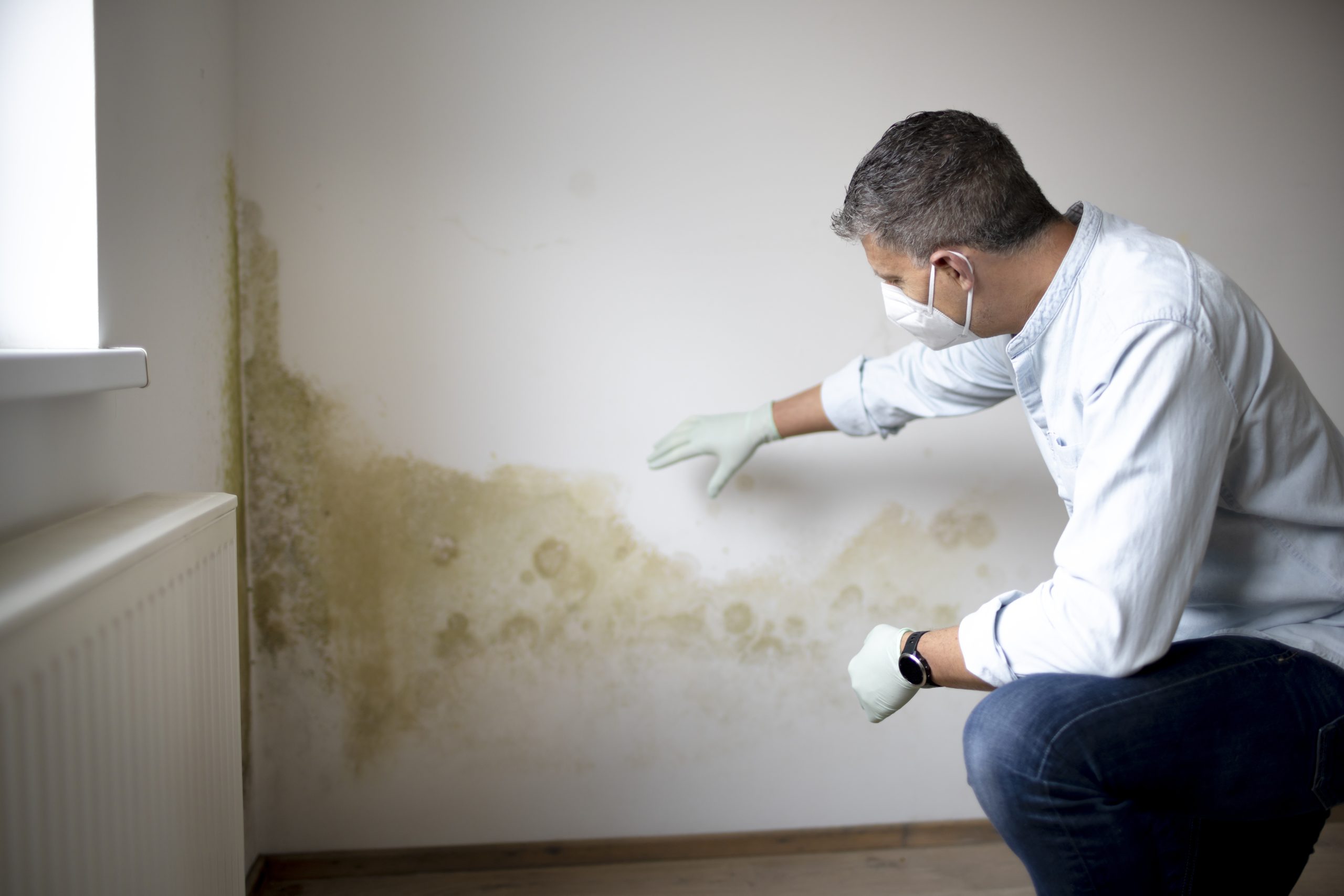
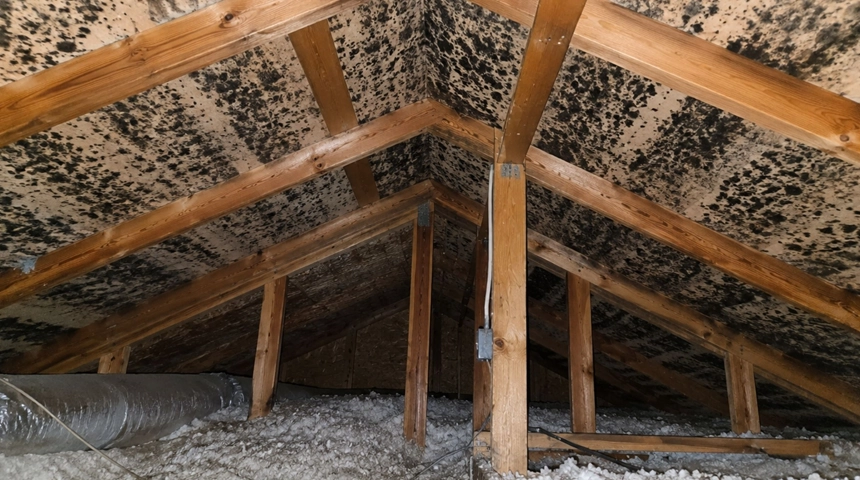
Attic mould often starts where homeowners rarely look. Dark stains, musty odours, damp insulation, or wet roof wood may appear after moisture builds for weeks. In many homes, the trouble comes from warm indoor air reaching a cold attic, not from an obvious roof leak. Because hidden growth can spread across wood and insulation, early inspection matters. Red Seal Environment Restoration provides mould removal services in British Columbia, focusing on finding the moisture source before cleanup begins.
Our process can include attic inspection, moisture review, containment, dry ice blasting, HEPA filtration, photo records, and aftercare guidance. The goal is not to cover a stain. Instead, the work should remove affected material where needed and correct the conditions that support growth. That approach helps homeowners understand the problem, the cleanup plan, and the steps that can reduce a return.
Why Mould Can Grow in a Dry-Looking Attic
An attic can get damp even if the roof does not leak. Warm air from inside your home can drift through gaps around ceiling openings. This warm air then hits the cold roof surfaces. The British Columbia Building Code says that many condensation problems in spaces happen because of moist indoor air leakage. This helps explain why attic mould can form when shingles appear sound.
- Bathroom or kitchen exhaust that does not vent outdoors as intended
- Gaps that let warm indoor air enter the attic
- Blocked or weak air movement around roof spaces
- Roof leaks and moisture intrusion during wet weather
Because several sources can exist at once, a stain does not reveal the full cause. A proper review should connect the growth to moisture, airflow, and the attic’s condition.
Warning Signs Often Appear Before Growth Covers the Wood
Homeowners may notice smell or moisture changes before large patches appear. Common signs of attic mould include dark spotting, pale fuzzy growth, stained wood, damp insulation, and a strong musty odour. Mould on roof sheathing may appear on the underside of the roof deck, while mould on attic rafters can follow nearby damp areas.
However, colour does not identify a mould species. Health Canada says mould may appear in many colours, and testing the species is usually unnecessary for cleanup decisions. You can start by searching for black mould in the attic after a dark patch appears, but the key issue is moisture and visible growth. When odours are strong, or mould is hidden, professional assessment can help locate the affected area and the moisture source.
Condensation Can Feed Mould Without a Visible Leak
Attic condensation forms when moist air meets a surface cold enough for water to collect. This can happen on roof sheathing during colder periods. BC Housing has studied mould growth on roof sheathing in ventilated attics in coastal climates, showing why moisture control matters in British Columbia homes.
Warm Indoor Air Can Reach Cold Roof Surfaces
Air leaks around ceiling openings may carry moisture upward. When that air cools, water can collect on wood.
Ventilation Needs to Work With Moisture Control
Good attic ventilation can help manage moisture, but ventilation is only part of the picture. Air leakage, insulation, roof conditions, and indoor humidity still matter.
Because attic moisture has several possible causes, changing one vent does not guarantee a fix. Review the entire moisture path.
Mould Can Affect Indoor Air and Building Materials
Mould should not be ignored simply because it sits above the living space. Mould in attic areas can still matter when moisture, air movement, or hidden growth affect the building. Health Canada reports that people in damp or mouldy homes are more likely to experience eye, nose, and throat irritation, coughing, wheezing, and worsening asthma symptoms. Yet a homeowner cannot judge personal health risk from mould colour alone. Attic mould health risks depend on exposure, building conditions, and individual sensitivity. Moisture can affect materials as well.
Wet insulation may lose performance, while repeated dampness can keep wood surfaces favourable for mould growth. Therefore, the goal of attic mould removal is broader than improving appearance. Cleanup should address visible contamination and the conditions behind it. Anyone with health concerns related to mould should speak with a health care professional, while the building itself should be checked for moisture and growth.
Professional Remediation Starts With the Cause, Not the Stain
Large, recurring, or hidden mould calls for a careful plan. Health Canada recommends professional assessment and cleanup when a single mould patch is larger than 3 square meters. Professional help is useful when growth returns or sits inside hidden cavities. With mould removal services in British Columbia, Red Seal Environment Restoration can inspect attic conditions, review moisture sources, isolate work areas, and document the project.
| Stage | Main check | Red Seal method |
| Inspection | Growth and dampness | Photos and thermal scanning |
| Containment | Spread risk | Sealed work zone |
| Removal | Affected material | Dry ice or targeted removal |
| Cleanup | Dust and debris | HEPA filtration and vacuuming |
| Aftercare | Airflow and moisture | Photos and guidance |
This process supports attic mould remediation that is tied to the actual moisture problem.
A Few Checks Can Help Before Attic Cleanup Begins
Before remediation starts, homeowners can help by keeping the attic area undisturbed. Through our mould removal, we also advise against moving insulation, brushing mould, or wiping stained wood because this can spread dust and spores. Instead, keep the affected space closed until it is inspected. Homeowners can note recent roof leaks, indoor humidity changes, or bathroom fan problems. These details may help identify where moisture entered the attic. Take photos of visible stains, damp insulation, or condensation before cleanup begins. These images can help track changes during the project.
Pro tip: Check whether bathroom or kitchen exhaust fans lead outdoors. Moist air released into the attic can support new growth. Because mould often returns when moisture remains, this simple check can help guide the remediation plan and future prevention.
Dry Ice Blasting Can Clean Suitable Attic Wood
Dry ice blasting is one method we use on suitable wood and masonry. Frozen carbon dioxide pellets strike the surface and remove buildup. The pellets change into gas, so the process does not add liquid water or leave spent blasting media. This can be useful when cleaning attic framing where extra moisture is unwanted. However, not every material should remain in place. Damaged insulation or other affected materials may require targeted removal based on site conditions.
For attic projects, our work may include:
- Inspecting rafters, sheathing, joists, and nearby insulation
- Setting sealed boundaries around the work area
- Using dry ice blasting on suitable wood surfaces
- Vacuuming the work zone with HEPA equipment
That method fits the company’s eco-safe cleaning services in British Columbia approach, while the moisture source still needs correction.
Humidity and Airflow Matter After Cleanup
Removing visible growth is only part of long-term control. Health Canada states that mould can return when the moisture source remains. It recommends keeping indoor relative humidity between 30% and 50% and fixing leaks or damp areas quickly. Homeowners asking how to prevent attic mould should focus on moisture movement rather than surface cleaning alone.
Useful prevention checks include:
- Confirming bathroom and kitchen exhaust reaches outdoors
- Watching for roof or plumbing leaks after storms
- Checking insulation and attic areas for damp spots
- Tracking indoor humidity with a hygrometer
Because each home behaves differently, moisture control may require changes to airflow, sealing, drainage, or ventilation. A clean attic can develop new growth if damp conditions return. Prevention works best when the cause found during inspection is corrected and monitored.
Moisture Control Should Be Part of the Cleanup Plan
For homeowners, attic mould is more than a surface stain. It often points to excess moisture somewhere in the attic. That moisture may come from poor airflow, roof leaks, high humidity, or other building conditions. Because of this, attic mould removal should include a careful look at what allowed the growth to develop. Finding and correcting the moisture source can help guide repairs and reduce the chance of the same problem returning. Ventilation, humidity levels, insulation conditions, and possible leaks may all need attention. A clear moisture-control plan also helps homeowners understand what to monitor after cleanup is complete.
Fixing the Moisture Source Helps Protect the Attic Longer
Good mould work should leave the homeowner with more than cleaner wood. It should explain why the attic became damp and what needs attention afterward. Red Seal Environment Restoration focuses on the source through inspection, moisture review, containment, cleanup, photos, and aftercare. Our mould removal services in British Columbia can include dry ice blasting, targeted removal, airflow checks, and moisture-control guidance when they fit the site. Call us at (604) 345-3697 for attic mould help. Visit 1195 Doran Road, British Columbia V7K 1M8, to discuss inspection, cleanup, and moisture-control needs with our crew today.
Frequently Asked Questions
What causes mould to grow in an attic even when the roof does not leak?
Mould can grow in an attic even when the roof itself is not leaking. Warm, moist indoor air can move through ceiling gaps and enter the attic. When that air reaches cold roof sheathing, condensation may form on the wood. Over time, damp surfaces can support mould growth. High indoor humidity can make the problem worse, especially during colder months. Poor attic airflow may allow moisture to stay trapped longer. Bathroom or kitchen exhaust that doesn’t vent outdoors properly can add more moisture. Gaps around lights, hatches, or other ceiling openings may contribute as well. Because several moisture sources can exist at the same time, a proper inspection should look at airflow, humidity, condensation, insulation, and possible leaks before cleanup begins.
What are the early warning signs of hidden mould in an attic?
Early warning signs can appear before large patches of mould become visible. A musty or damp smell near the attic entrance may be one of the first clues. Homeowners may notice dark, pale, or fuzzy spots on roof sheathing, rafters, or other wood. Damp insulation, water stains, condensation, or staining around roof areas can provide more signs. In some cases, the smell may be stronger than the visible growth because mould can sit behind insulation or in hard-to-see spaces. Repeated moisture in the same area should also receive attention. Health Canada advises considering professional help when mould appears hidden or keeps returning. Because hidden growth can be difficult to locate, inspection should focus on both the visible signs and the moisture conditions supporting them.
Is attic mould a health risk if it is outside the main living space?
Attic mould can still matter even when it is outside the main living area. Air can move between attic spaces and the rest of a building through gaps, openings, or air movement pathways. Health Canada reports that people living in damp or mouldy homes are more likely to experience eye, nose, and throat irritation. Coughing, wheezing, and worsening asthma symptoms may also occur. However, personal risk can vary based on exposure and individual health conditions. Mould colour alone does not show how risky a specific growth is. Homeowners should focus on controlling moisture and removing mould rather than judging risk by appearance. Anyone with symptoms or health concerns should speak with a health care professional while the building conditions are being addressed.
Can mould be removed from attic rafters and roof sheathing without replacing the wood?
In some cases, mould can be removed from attic rafters and roof sheathing without replacing the wood. The decision depends on the material’s condition, how deeply it is affected, and whether the wood remains sound. Surface growth on suitable wood may be cleaned through a professional remediation process. We use dry ice blasting on appropriate wood surfaces when site conditions allow. However, cleaning is not always the right choice. Materials that are badly damaged, heavily affected, or no longer suitable may need targeted removal. Moisture conditions must also be corrected, because cleaned wood can develop new growth if dampness returns. A professional inspection helps determine which materials can stay, which need treatment, and which may require removal.
Does dry ice blasting work for removing mould from attic wood and rafters?
Dry ice blasting can remove mould and buildup from suitable attic wood and rafters. The process uses frozen carbon dioxide pellets that strike the affected surface at high speed. The pellets turn into gas during the process, so they don’t leave spent blasting media behind. Another benefit is that the process does not add liquid water to the attic wood. We use dry ice blasting on suitable wood and masonry as part of certain mould-remediation projects. However, the method still needs proper containment, debris control, and cleanup. HEPA vacuuming may be used afterward to collect loosened material. Dry ice blasting does not replace moisture correction, so you still need to address the source of condensation, leaks, or excess humidity.
How do attic ventilation and humidity control help prevent mould from returning?
Attic ventilation and humidity control help reduce the moisture that supports mould growth. Health Canada recommends keeping indoor relative humidity between 30% and 50%. High indoor humidity can allow more moisture to enter attic spaces through air leaks and ceiling gaps. When that moist air reaches cold roof surfaces, condensation may form. Good attic airflow can help manage moisture, but ventilation alone may not solve every problem. Homeowners should also check bathroom and kitchen exhaust systems, roof leaks, insulation, air sealing, and damp areas. Exhaust fans should send moist air outdoors rather than into the attic. Because mould can return when the moisture source remains, prevention should focus on the full moisture path. Regular checks can help catch condensation or dampness before larger growth develops.
Why is attic mould a common concern for homes in British Columbia?
Attic mould is a concern in British Columbia because many homes experience long periods of cool and wet weather. BC Housing has studied mould growth on roof sheathing in ventilated attics within coastal climates. Its research connects attic moisture with condensation, indoor air leakage, ventilation, and roof assembly conditions. Warm indoor air can carry moisture upward during colder months. When that moisture reaches cold roof sheathing, condensation may develop. Repeated dampness can create conditions that support mould growth on wood surfaces. Homeowners should watch for musty odours, dark staining, damp insulation, wet sheathing, or repeated condensation. However, climate is only one factor. Roof condition, indoor humidity, ventilation, insulation, and air leakage can all affect how much moisture collects inside an attic.
When should homeowners in British Columbia hire professionals for attic mould removal?
Professional help is worth considering when attic mould covers a large area, keeps returning, appears hidden, or has an unclear moisture source. Health Canada recommends professional assessment and cleanup when a single mould patch is larger than 3 square meters. Help may be useful sooner when there is strong odour, wet insulation, widespread staining, or growth in difficult-to-reach areas. A professional can inspect the attic, identify moisture sources, set up containment, and choose a suitable removal method. The work may include dry ice blasting, targeted material removal, HEPA cleanup, or other site-specific steps. Homeowners should avoid disturbing large mould areas because this can spread dust and debris. Most importantly, the moisture source should be corrected so the growth is less likely to return.