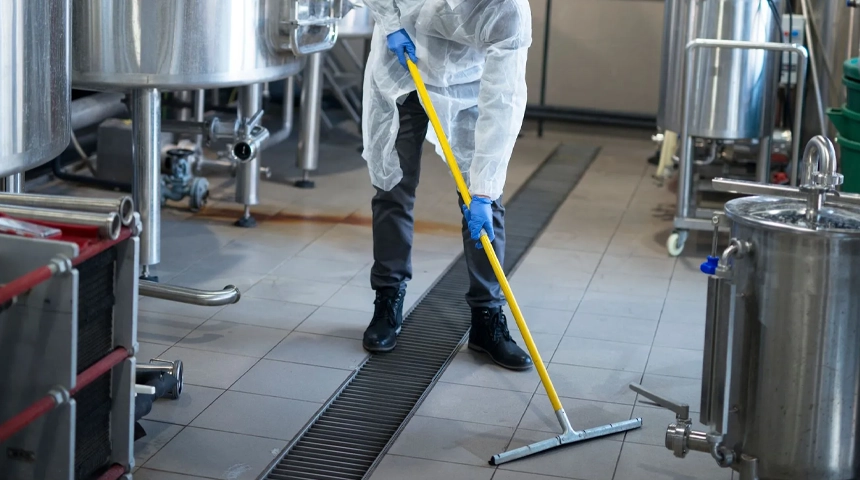
Industrial equipment collects rust, grease, paint, coatings, and hard residue during normal use. However, cleaning these layers can create another problem. Water may reach sensitive parts, harsh chemicals can leave residue, and abrasive tools may mark a surface. Because each machine and coating behaves differently, the cleaning method should match the material and the unwanted layer. Red Seal Environment Restoration provides eco-safe cleaning services in British Columbia using dry processes for suitable industrial work.
Our team uses laser cleaning and dry ice blasting based on the surface, buildup, access, and job goal. The goal isn’t simply to make equipment look clean. Good cleaning should remove the target material while limiting avoidable harm, mess, and downtime. This guide explains how modern eco-safe cleaning methods work and where each method may fit.
Why the Cleaning Method Matters to Equipment
Cleaning affects more than appearance because equipment surfaces often have tight fits, seals, wiring, coatings, or finished faces. Therefore, a strong method is not always the right method. Industrial equipment cleaning should consider the contaminant, base material, access, and planned use after cleaning. For example, heavy grinding may remove rust quickly, yet it can change a finished surface. Wet washing can work well in many settings, but moisture may be unwanted near certain bearings or electrical parts.
Good industrial surface cleaning starts with a clear target. The goal may be grease removal, inspection access, coating removal, or repair preparation. Because those goals differ, the cleaning process should differ too. A useful rule is simple: remove what should leave while protecting what must stay. That approach supports safer planning and better substrate protection.
How Pulsed Light Removes Unwanted Surface Layers
Pulsed laser cleaning uses short bursts of focused energy on a selected surface layer. Because the operator can adjust the process, it can target rust, oxide, paint, or similar buildup on suitable materials. The removal action is called laser ablation, where energy removes the unwanted layer. Research on corroded steel shows that laser settings matter greatly. Excess energy can affect the base metal, while suitable settings can remove rust effectively.
Control matters
The operator must match power, scan speed, and passes to the surface. A test area can help confirm results before full work begins.
The target stays clear
This controlled approach can support rust removal, corrosion removal, and paint and coating removal when the material and job conditions are suitable. Research has documented similar uses across metal cleaning applications.
How Frozen CO₂ Removes Grease and Residue
Dry ice blasting uses Carbon dioxide (CO₂) pellets carried by compressed air. On impact, the dry ice changes directly from solid to gas. As a result, no spent blasting media is left behind. The removed dirt or coating remains and must be collected. This differs from sand and other media blasting.
For suitable equipment, the method can help remove grease, grime, and buildup without adding wash water. Red Seal uses this process where dry cleaning fits the surface and job.
Common advantages include:
- Water-free cleaning for suitable industrial areas
- Chemical-free cleaning where solvents are not needed
- Non-abrasive cleaning for surfaces that need gentler treatment
- Less spent blast media during cleanup
Because dry ice becomes gas, the work area needs suitable ventilation. Carbon dioxide can build up in poorly ventilated or confined areas.
Matching the Method to the Surface and Contaminant
No single process suits every machine. Therefore, the choice should reflect the material, unwanted layer, access, and finish. Different dry methods fit different problems. A test area may help confirm surface response.
The table below shows how different cleaning needs may match suitable dry cleaning methods.
| Cleaning need | Method that may fit | Main reason |
| Rust or oxide on suitable metal | Laser process | Focused removal of a selected layer |
| Paint or coating on suitable metal | Laser process | Controlled removal with adjustable settings |
| Grease and hard buildup | Dry ice process | Dry media reaches detailed areas |
| Sensitive areas where wash water is unwanted | Dry method | Avoids adding liquid water |
| Preparing a surface for inspection or repair | Method chosen after review | Cleaning can expose the surface for evaluation |
| Soot or fire residue on suitable surfaces | Laser process | Targets surface buildup without abrasive blasting |
| Food buildup on processing equipment | Dry ice process | Helps remove residue without adding wash water |
Because every job differs, surface preparation should follow the real work goal rather than a fixed cleaning recipe. A careful surface review can help choose the right method while reducing avoidable damage, waste, and cleanup.
Protecting Parts While Removing Buildup
A clean surface is not useful if the process harms a seal, wire, fit face, or nearby finish. Therefore, careful industrial machinery cleaning includes protection before energy or blasting reaches the work area. We mask seals, wiring, and nearby finishes during equipment projects. The team can set clear start and stop points, tune settings for the material, and use a small test pass before broader cleaning.
This matters because machine assemblies may combine several materials. Metal, coatings, elastomers, and electrical parts can react differently to heat, force, or moisture. Moreover, peer-reviewed laser research shows that excessive energy can damage a metal substrate.
For that reason, eco-safe work should never mean careless work. The method, settings, barriers, masking, extraction, and inspection must fit the actual equipment and site conditions.
Reducing Water, Chemicals, and Cleanup Burden
Facilities want cleaning that creates less liquid waste and less spent media. Therefore, dry technologies can be useful when the equipment and contaminant allow them. Red Seal Environment Restoration offers eco-safe cleaning services in British Columbia, including laser systems and dry ice methods for suitable projects. The aim is secondary waste reduction, not a claim that contamination disappears.
Useful waste-control benefits can include:
- No added wash water from the laser or dry ice process
- No spent sand, soda, or similar blast media from these methods
- Less chemical residue when solvents are avoided
- Easier collection of the removed contaminant in many jobs
However, the removed rust, paint, grease, or debris still needs proper control. Moreover, laser work can create fumes or particles from treated materials. CCOHS notes both beam and non-beam laser hazards, including fumes from exposed materials.
Check the Surface Before Equipment Returns to Use
Cleaning should not end when the visible buildup is gone. A final surface check helps confirm that the target material was removed as planned. It can also show whether rust, coating loss, or wear needs separate repair. Because cleaning does not repair damaged parts, the maintenance team should review any exposed defects before restart. Check the cleaned area for loose debris, remaining residue, and changes that may affect later work. Moreover, review nearby seals, wiring, and protected finishes after barriers or masking are removed.
Photos can help document the completed work and support future maintenance records. This step adds useful proof that the cleaning scope was completed. Therefore, final inspection should be part of industrial machinery cleaning, especially when equipment is prepared for maintenance, coating, repair, or return to service.
Planning Cleaning Around Production and Maintenance
Cleaning can become expensive when a machine must be taken apart, or a line stays idle. Therefore, planning should consider access, shutdown windows, nearby workers, and the condition required for restart. Red Seal Environment Restoration offers mobile laser cleaning services in British Columbia and describes working around planned shutdowns for suitable projects. Our process includes reviewing the parts, choosing settings, protecting nearby assets, setting work boundaries, cleaning, and sharing progress before sign-off.
A practical site plan may include:
- Review the contaminant, surface, and cleaning goal
- Protect wiring, seals, finishes, and nearby assets
- Set barriers, ventilation, and extraction as required
- Test a small area when surface response needs confirmation
- Inspect the cleaned area before equipment returns to use
Because access differs by plant, the work scope should reflect the real site rather than a standard template.
Choose a Cleaning Method That Fits the Surface
Industrial cleaning works better when the method matches the equipment and buildup. Rust, grease, paint, and coatings do not respond the same way. Sensitive parts may also need protection from water, scraping, or strong chemicals. Laser cleaning can support controlled removal of rust, coatings, and surface buildup on suitable materials. Dry ice cleaning may fit jobs involving grease or residue where added water is not preferred. Because each project has different limits, testing and careful setup can help protect nearby seals, wiring, and finishes.
Pro tip: A small test area can help confirm how the surface responds before wider cleaning begins. This step can reduce unnecessary surface changes and help guide the final method.
Plan Safer, More Focused Industrial Cleaning
Industrial equipment often needs more than routine wiping when rust, grease, or coatings build up. However, harsh cleaning is not the only option. For suitable projects, our eco-safe cleaning services in British Columbia use dry cleaning methods that can reduce added water, abrasive media, and chemical use.
We can review the equipment, surface material, buildup, and access before recommending an approach. This may include laser cleaning or dry ice blasting when those methods fit the job. Because proper cleaning depends on the surface and contaminant, a site review helps set clear work limits and safety controls. Call Red Seal Environment Restoration at (604) 345-3697 to discuss industrial cleaning needs at 1195 Doran Road, British Columbia V7K 1M8, and request a project quote today.
Frequently Asked Questions
What are the best eco-safe cleaning methods for industrial equipment?
Laser systems and dry ice methods can work well for many industrial cleaning jobs. Laser cleaning uses focused energy to remove rust, paint, oxides, and surface buildup from suitable materials. Dry ice blasting uses solid carbon dioxide pellets to lift grease, residue, and other contamination without adding wash water. However, no single method works for every machine or surface. The right choice depends on the contaminant, base material, surface finish, access, and safety needs. Sensitive seals, wiring, coatings, and nearby parts may need protection before cleaning starts. A small test area can help confirm how the surface reacts. Professional planning can also reduce unnecessary surface changes, secondary waste, and equipment downtime during maintenance or restoration work.
How does laser cleaning remove rust, paint, and coatings from industrial surfaces?
Laser cleaning uses short, focused pulses of energy on the unwanted surface layer. The energy can loosen, break down, or remove rust, paint, oxides, and some coatings from suitable materials. This process allows the operator to target specific buildup while limiting contact with the base surface. However, laser settings must match the material and contamination. Power, scan speed, distance, and the number of passes can all affect the result. Too much energy may change or damage the underlying material. Therefore, a test pass is often useful before larger areas are treated. Extraction may also be needed because the process can create dust, fumes, or particles. Careful setup helps support controlled cleaning while protecting nearby finishes, wiring, seals, and other sensitive parts.
What is the difference between laser cleaning and dry ice blasting?
Laser cleaning and dry ice blasting remove surface contamination in different ways. Laser cleaning uses focused light energy to target rust, oxides, paint, coatings, or other suitable surface layers. Dry ice blasting uses frozen carbon dioxide pellets carried by compressed air. The pellets strike the surface and turn into gas, so no spent blasting media remains. However, removed grease, coating, dirt, or debris still needs proper collection. Laser cleaning can offer precise control on suitable surfaces, while dry ice can be useful for grease, grime, and hard buildup in detailed areas. The better method depends on the surface, contaminant, access, finish, and work conditions. A professional review or test area can help determine which process better matches the cleaning goal.
Can industrial equipment be cleaned without water or harsh chemicals?
Yes, some industrial equipment can be cleaned without adding water or using standard chemical cleaners. Laser systems and dry ice blasting are two dry cleaning methods used for suitable equipment and surfaces. Laser cleaning can remove rust, paint, coatings, and oxides, while dry ice blasting can help lift grease, grime, and residue. These methods may be useful where added moisture is not preferred near electrical parts, bearings, seals, or other sensitive areas. However, dry cleaning does not mean the job produces no waste. Removed paint, rust, grease, or debris still needs proper control and disposal. Ventilation, extraction, masking, and safety barriers may also be required. The equipment material and contaminant should always be reviewed before choosing a water-free or low-chemical approach.
Does non-abrasive cleaning protect metal and other sensitive surfaces?
Non-abrasive cleaning can reduce direct grinding, scraping, or aggressive blasting against suitable surfaces. This may help protect certain metal finishes, detailed parts, and sensitive areas when the correct process is used. However, non-abrasive does not mean there is no risk of surface change. Laser energy, for example, can affect the underlying material if the settings are too strong or poorly controlled. Dry ice blasting also requires proper pressure and distance for the surface being treated. Therefore, professionals may use test passes, masking, barriers, extraction, and clear work limits before cleaning a larger area. Nearby seals, wiring, coatings, and finished parts may also need protection. Careful method selection helps remove unwanted buildup while reducing avoidable changes to the base material or surrounding components.
How can eco-safe cleaning reduce equipment downtime and secondary waste?
Dry cleaning methods can reduce some cleanup steps and help support shorter maintenance windows on suitable projects. Dry ice blasting does not add wash water, so equipment may not need the same drying time required after wet cleaning. The dry ice pellets also turn into gas, which means there is no spent blasting media such as sand or soda to collect. Laser cleaning does not require abrasive media either. However, the removed rust, paint, grease, coating, or residue still needs proper control. Less dismantling may also be possible when equipment can be cleaned in place and access is suitable. Careful planning around shutdown periods can reduce disruption further. The actual time savings depend on equipment design, contamination, access, safety controls, and the cleaning scope.
What industrial equipment can be cleaned with laser technology in British Columbia?
Laser technology may be suitable for cleaning motors, pumps, moulds, rails, frames, food-processing equipment, and other industrial parts. It can be used to remove rust, oxides, paint, coatings, soot, or similar surface buildup when the material and job conditions allow. However, not every component should be treated the same way. Coating type, surface finish, nearby wiring, seals, access, and the condition of the base material all matter. A test area can help confirm whether the laser settings are suitable before full cleaning begins. We can review the equipment, contamination, access, and work goal before recommending a process. Protective masking, extraction, and clear cleaning boundaries may also be used to help protect nearby parts during the project.
When should businesses in British Columbia use professional eco-safe cleaning services?
Professional eco-safe cleaning may be useful when industrial equipment has stubborn rust, paint, grease, coatings, or residue that routine cleaning cannot remove well. It can also be considered when added water, strong chemicals, grinding, or abrasive blasting may not suit the equipment or surrounding area. A professional review helps identify the contaminant, base material, access limits, nearby sensitive parts, and final cleaning goal. This is especially important for equipment with wiring, seals, finished surfaces, or parts that cannot be easily dismantled. We can assess suitable projects and select laser or dry ice methods where appropriate. A planned approach can help control waste, protect nearby components, support maintenance schedules, and reduce unnecessary disruption during industrial cleaning work.